Ingredients7 August 2026
Geranium | The Mountains Resilient Herb
Cultural Roots
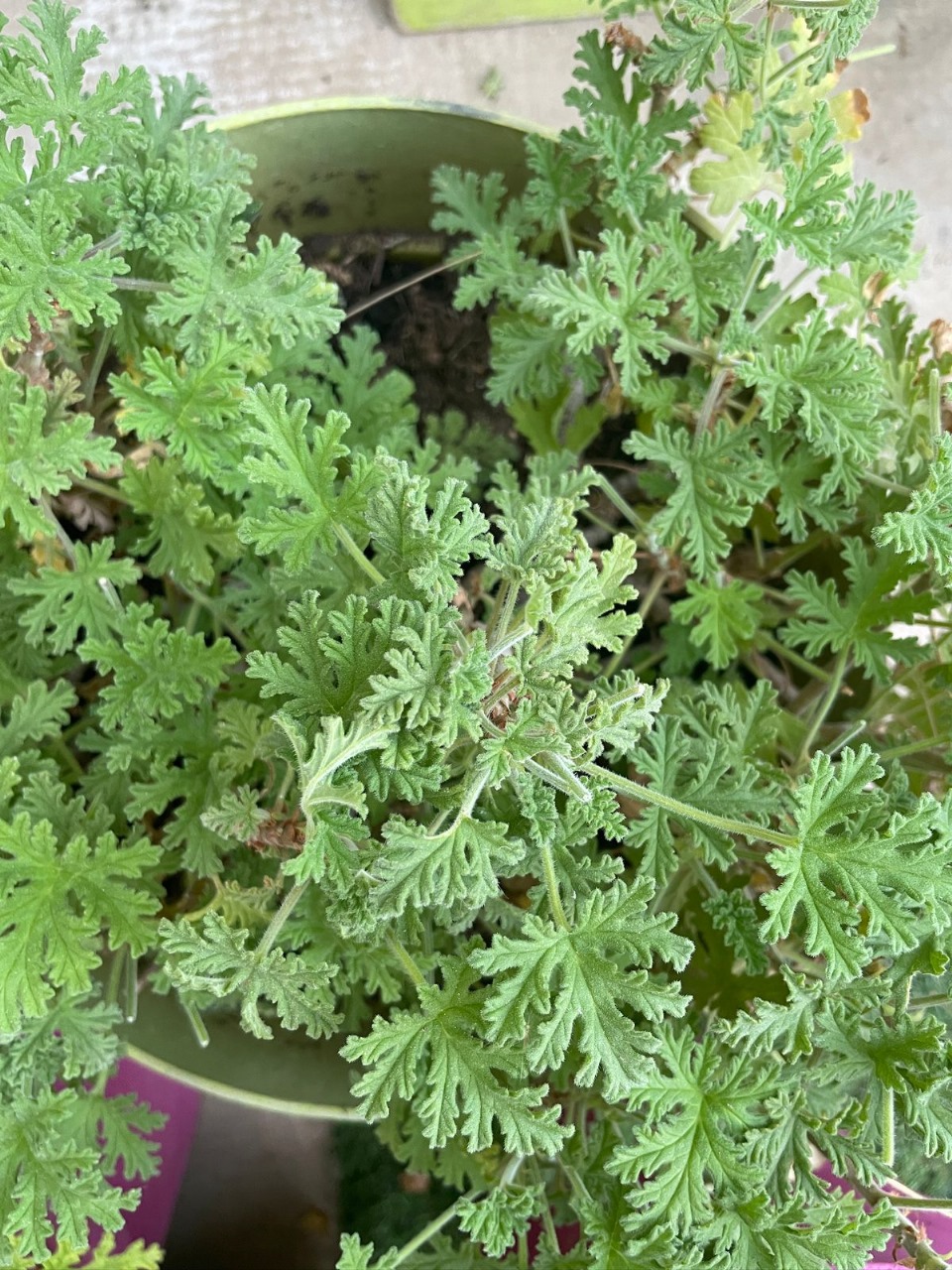
Geranium (Pelargonium graveolens), commonly known as rose-scented geranium, is native to southern Africa but has found a cherished place in Middle Eastern cultures. In Lebanon and Palestine, it's referred to as "عطرة" ('itra), and in Morocco as "مْعَطَّرْشَة" (ma‘ṭarsha). Traditionally, its fragrant leaves are used to flavor teas, desserts, and jams. In Moroccan households, it's common to add a sprig of ma‘ṭarsha to mint tea, enhancing its aroma and flavor.
Geography & Terroir
Originally from the Cape Provinces and the Northern Provinces of South Africa, Pelargonium graveolens thrive in Mediterranean climates. It prefers well-drained soils and can be found in regions with hot summers and mild winters. The plant has been cultivated in various parts of the world, including Egypt, Morocco, Jordan, Lebanon and Plestine, where it's grown both for its ornamental value and its aromatic leaves.
Scientific Profile
Aroma: The leaves of Pelargonium graveolens emit a strong rose-like scent, attributed to essential oils rich in citronellol, geraniol, and linalool.
Flavor: The taste is a blend of floral and citrus notes, making it a unique addition to both sweet and savory dishes. The essential oils contribute to its distinctive flavor profile. The leaves might produce a bitter taste when steeped in hot water for too long.
Texture: The leaves are soft and velvety due to glandular hairs, which also play a role in the plant's aromatic properties.
Color: The plant features pale pink to almost white flowers, which bloom from late winter to summer, peaking in spring.
Culinary Usage
- Traditional: In Middle Eastern cuisine, the leaves are used to flavor teas, desserts, and jams. In Morocco, it's common to add a sprig to mint tea.
- Modern: Chefs incorporate geranium leaves into syrups, jellies, and baked goods, leveraging their aromatic properties.
- Fusion: Mixologists use geranium-infused syrups, tinctures or alcohol infusions to add floral notes to cocktails.
How to Use It
- Infusion: Steep fresh leaves in hot water to make a fragrant tea or to flavor syrups, or steep it in cold water to extract lighter aromas.
- Tincture: Macerate leaves in alcohol to extract aromatic compounds for use in cocktails.
- Essential oils: Use essential oils to flavour cordials, syrups or fat-wash alcohol.
- Culinary: Incorporate leaves into baked goods, jellies, and desserts for a floral flavor.
Sustainability & Seasonality
Geranium is a hardy plant that requires minimal water, making it suitable for cultivation in arid regions. Its leaves can be harvested multiple times a year, ensuring a sustainable supply.
Ingredient Map Template
To assist culinary enthusiasts in creating their own ingredient mappings, we developed a downloadable template, in the Downloadable section, that guides users through the process of exploring an ingredient cultural roots, sensory traits, culinary uses, and more.
Check out how we transfoormed Bar Shams' stable house cocktail into a best seller; Gin Otra
References
- Pelargonium graveolens. (2024). In Wikipedia. Retrieved from https://en.wikipedia.org/wiki/Pelargonium_graveolens
- Chemical Markers and Pharmacological Characters of Pelargonium graveolens. (2022). National Center for Biotechnology Information. Retrieved from https://pmc.ncbi.nlm.nih.gov/articles/PMC9457828/PMC
- Pelargonium graveolens. (n.d.). PlantZAfrica. Retrieved from https://pza.sanbi.org/pelargonium-graveolensPlantZAfrica
- Pelargonium graveolens. (n.d.). National Parks Board Singapore. Retrieved from https://www.nparks.gov.sg/florafaunaweb/flora/2/3/2311Default
- Pelargonium graveolens. (n.d.). Wave Hill. Retrieved from https://www.wavehill.org/discover/garden-journal/pelargonium-graveolens-rose-scented-geraniumWikipedia+2Wave Hill+2PMC+2