perspective27 July 2025
Corporate Food & Beverage: The Silent Killer of Real Hospitality
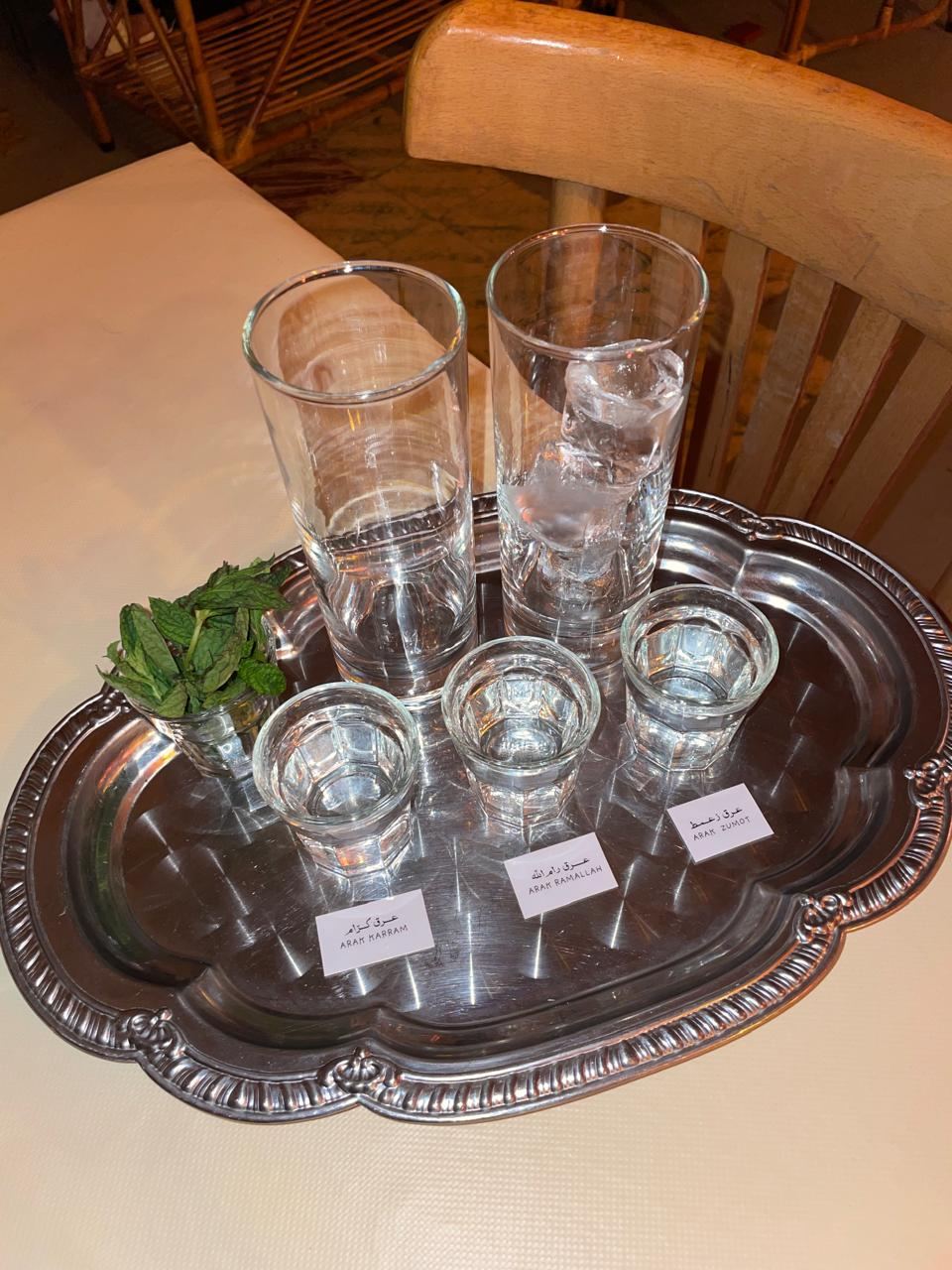
You know the feeling. You walk into a new "concept" restaurant and everything looks polished; the marble counters, the curated playlist, the staff in matching aprons. But something's off. The food? Fine. The drinks? Safe. The vibe? Forgettable.
Welcome to the world of Corporate Food and Beverage, a term we've coined to describe what happens when F&B culture is handed over to boardrooms instead of bartenders, spreadsheets instead of chefs, and brand manuals instead of real stories.
So, What Is Corporate F&B?
Corporate F&B is what happens when hotels, investment groups, and hospitality giants run the show. It's the kind of place where everything looks good on paper and feels flat in person. These are the "concepts" that serve truffle fries in Tokyo, Tulum, and Toronto. Same dishes, different zip codes.
Their goal? Consistency. Efficiency. Profit.
Our goal? Flavor. Soul. Connection.
We're not the same.
What Corporate F&B Actually Looks Like
- Copy-Paste Menus: Designed by committee, not curiosity. Burrata? Check. Wagyu sliders? You bet.
- Fake Sustainability: One "local" item on the menu, but everything else is shipped and soulless.
- Instagram-Ready, Memory-Free: Great lighting. No heart.
- No Owner in Sight: The "visionary" behind the place? Probably on a Zoom call about Q4 targets.
- Polished Staff, No Personality: Perfect greeting, zero real connection.
Why It's Bad for the Industry
- It Pushes Out Independent Talent: Small venues with big ideas can't compete with hotel budgets, PR agencies, and influencer campaigns. The result? More cookie-cutter openings, fewer spots with soul.
- It Trains People to Be Robots: In a corporate venue, you follow SOPs, not instincts. Hospitality becomes a transaction, not an experience. Creativity? Out. Compliance? In.
- It Cheapens Culture: You'll see "Arabic-inspired cocktails" made by people who've never stepped foot in the region, let alone talked to its farmers, foragers, or grandmas. Food becomes costume, not culture.
- It Pretends to Be Ethical: They'll tell you they're sustainable but ask about their waste policies or how much they pay kitchen staff. Spoiler: it's mostly marketing fluff.
The Worst Part? It Becomes the Standard
When Corporate F&B dominates the market, guests forget what real hospitality tastes like. They start to expect style over substance, and that affects everyone, from chefs to front-of-house teams to the next generation trying to do things differently.
What We Need More Of
- Owner-led spots where you know who's behind the bar and why they started.
- Menus built around place, season, and actual passion.
- Staff trained to think and speak, not just repeat.
- Food and drink as storytelling, not branding.
- Restaurants that give a sh*t about ingredients, about labor, about culture.
Bourtoqali's Take
At Bourtoqali, we're not interested in replicating concepts for maximum margins. We're here for hospitality with guts. Venues that challenge, comfort, question, and surprise. We work with the underdogs, the rebels, the thinkers, and the culture carriers, not the flavor-of-the-month franchises.
We believe food and drink are cultural tools, not content. And when you hand those tools to the wrong people, you lose the magic.