perspective8 August 2026
Arab-style Cocktails Between Preaching and Practicing
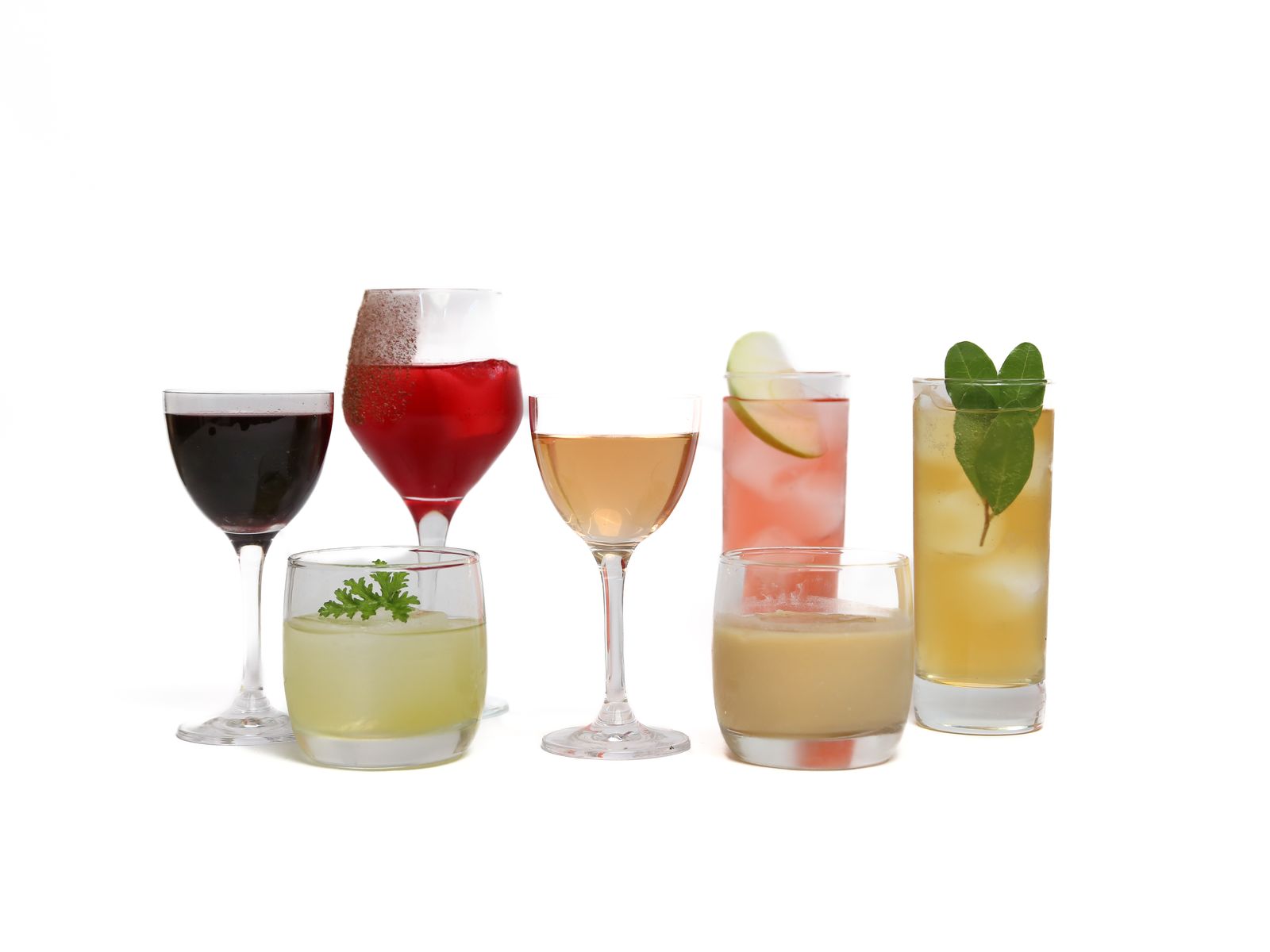
We're still living under the weight of a colonial hangover. It lingers in our menus, in our ingredients, and in the expectations of what a cocktail should be. That legacy disconnected us from our indigenous flavors, techniques, and stories. And yes, this includes drinks, whether alcoholic or not.
But what if cocktails could do more than refresh? What if they could rethread memory, ritual, and resistance into a single sip?
A Martini with Roots
Take the Martini: born in San Francisco, built on gin and vermouth. Reimagined through our lens, it becomes a clarified Arak cocktail, infused with fig leaf or orange blossom, finished with a house-made vermouth built from wormwood and za'atar. Same bones, new soul. But how often do we dare to go there?
Ingredients That Hold Generations
Across our region, we've had our own flavor lexicon for centuries. Zietman (Ixiolirion), Zayzafoon (lindens), Zaroor (crataegus), molasses from grapes or carob. Each of these carries healing, ceremony, or memory. These ingredients are complex, alive, and full of storytelling potential in any modern cocktail menu. When you work with carob or arak or even dried black lime, you're not just making a drink, you're referencing a cultural lineage.
Why Aren't We Doing More?
So why do so many bars still opt for industrial, sugar-loaded syrups and imported trends? Why do menus hide behind American or Mexican cocktail formulas, shrugging with "this is what the customer wants"?
But... do they?
Or is it just what the industry found easiest to sell, replicate, and monetize?
At Bourtoqali, we believe in flipping that script. We believe in cocktails that taste like grandmothers' cupboards, like roadside tea stands, like childhood Eid sweets, then sharpened through technique and served with pride.
From the Region, Not Just Inspired By It
Creating Arab-style cocktails doesn't mean being retro or folkloric. It means being honest and rooted. It means understanding that when we use za'atar bitters or fermented loquat cordial, we're not "elevating" these flavors, we're simply listening to them.
And the global market is listening too. Arak has been making appearances in cocktail menus from Paris to L.A. Loquat, mastic, sumac, and jallab are crossing borders. What the world craves now is story, not mimicry.
As Reem Assil, chef and activist, once said:
To decolonize flavor is to trust our own tongues again.
Let's Trust Ourselves Again
Arab-style cocktails aren't a trend. They're a return. They're us.
At Bourtoqali, we develop menus that are unapologetically regional; from zero-proof highballs with loomi and olive shrub, to barrel-aged Arak Negronis, to iced teas spiked with grape molasses and rose ash. We work with local producers, foragers, and farmers. Every glass tells a story, because every story deserves a glass.